Complete Guide to All Types of Dental Implants
Compare all 11 types of dental implants to find the perfect solution for your needs. From single tooth replacement to full mouth restoration, discover which option is right for you.
Success Rates Based on Clinical Studies
All success rates (95-98%, 85-90%, etc.) are based on long-term clinical research and systematic reviews.View medical references

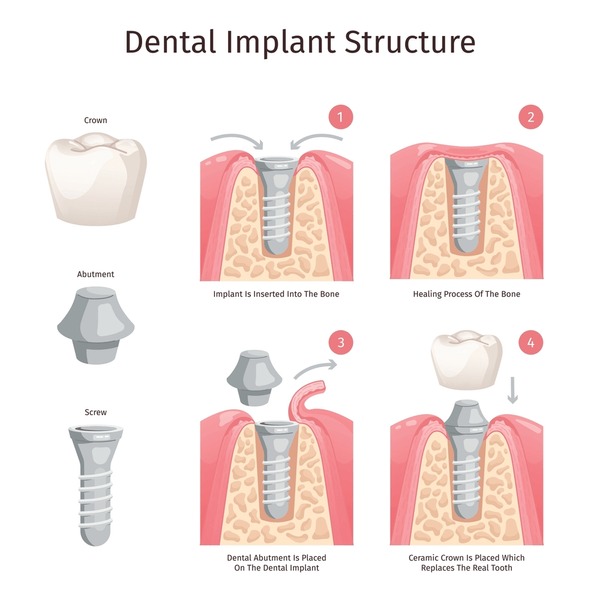
Single Tooth Implants
Individual tooth replacement with a single implant and crown, preserving adjacent healthy teeth
Key Features
- One implant per missing tooth
- Preserves adjacent healthy teeth
- Natural appearance and function
- Prevents bone loss in that area
Advantages
- Most natural tooth replacement
- Preserves adjacent teeth
- Easy maintenance and cleaning
- High success rate
Considerations
- Higher cost per tooth
- Requires adequate bone
- Longer healing time
- More surgical sites
Best for: Patients missing one tooth with healthy adjacent teeth
Multiple Teeth Implants
Several individual implants for replacing multiple missing teeth in different areas
Key Features
- Individual implants for each missing tooth
- Maintains natural spacing
- Independent tooth replacement
- Flexible treatment planning
Advantages
- Each tooth functions independently
- Easy to clean and maintain
- Natural appearance
- Can replace any number of teeth
Considerations
- Higher cost for multiple implants
- Multiple surgical sites
- Longer overall treatment time
- Requires adequate bone for each site
Best for: Patients missing several teeth in different locations
All-on-4 Implants
Full arch restoration using only 4 strategically placed implants to support a complete set of teeth
Key Features
- Only 4 implants per arch
- Tilted posterior implants
- Same-day temporary teeth possible
- Cost-effective full mouth solution
Advantages
- Fewer implants needed
- Same-day teeth possible
- Cost-effective
- Quick procedure and recovery
Considerations
- Requires adequate bone quality
- May need bone grafting
- Less flexibility than individual implants
- Higher initial cost
Best for: Patients missing all teeth in one or both arches
All-on-6 Implants
Full arch restoration using 6 implants for enhanced stability and support of complete dentures
Key Features
- 6 implants per arch
- Better force distribution
- Enhanced stability
- Longer-lasting solution
Advantages
- Maximum stability
- Better force distribution
- Longer lifespan
- Less bone stress per implant
Considerations
- Higher cost than All-on-4
- More surgery time
- Requires more bone
- Longer healing period
Best for: Patients wanting maximum stability for full mouth restoration
Implant Supported Bridges
Multiple teeth replaced with a bridge supported by implants instead of natural teeth
Key Features
- Bridge supported by 2 or more implants
- Replaces multiple consecutive teeth
- Fixed restoration
- More cost-effective than individual implants
Advantages
- Cost-effective for multiple teeth
- Fixed restoration (not removable)
- Natural appearance and function
- Preserves bone
Considerations
- Requires healthy teeth or implants at ends
- If one implant fails, entire bridge affected
- More difficult to clean under bridge
- Requires adequate bone support
Best for: Patients missing several consecutive teeth
Full Mouth Implants
Complete mouth restoration with implants, offering various approaches from All-on-4 to individual implants
Key Features
- Complete arch restoration
- Multiple treatment options
- Custom treatment planning
- Comprehensive rehabilitation
Advantages
- Complete smile restoration
- Improved quality of life
- Various budget options
- Long-term solution
Considerations
- Highest overall cost
- Complex treatment planning
- Longer treatment time
- Multiple procedures required
Best for: Patients missing all or most teeth in both arches
Mini Implants
Smaller diameter implants used for denture stabilization and in areas with limited space or bone
Key Features
- Smaller diameter (1.8-2.9mm)
- Less invasive procedure
- Denture stabilization
- Used in narrow spaces
Advantages
- Minimally invasive
- Lower cost
- Quick procedure
- Less bone required
Considerations
- Not suitable for all applications
- May have lower stability
- Limited to certain uses
- May need replacement over time
Best for: Patients with narrow spaces or for denture stabilization
Immediate Load Implants
Implants designed for immediate or early loading with temporary or final teeth on the same day
Key Features
- Temporary teeth same day
- Immediate function
- Reduced treatment time
- Advanced technology required
Advantages
- Immediate teeth and function
- Shorter treatment time
- Improved patient satisfaction
- Modern technology
Considerations
- Requires excellent bone quality
- Higher cost
- More complex procedure
- Not suitable for all patients
Best for: Patients with good bone quality wanting faster results
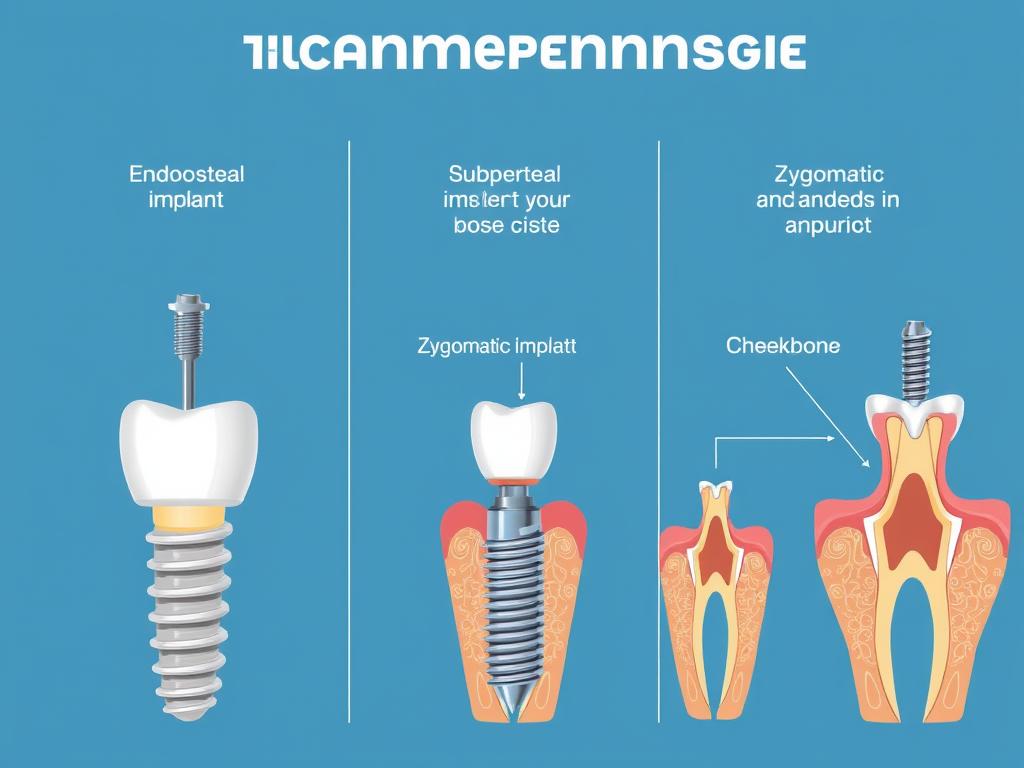
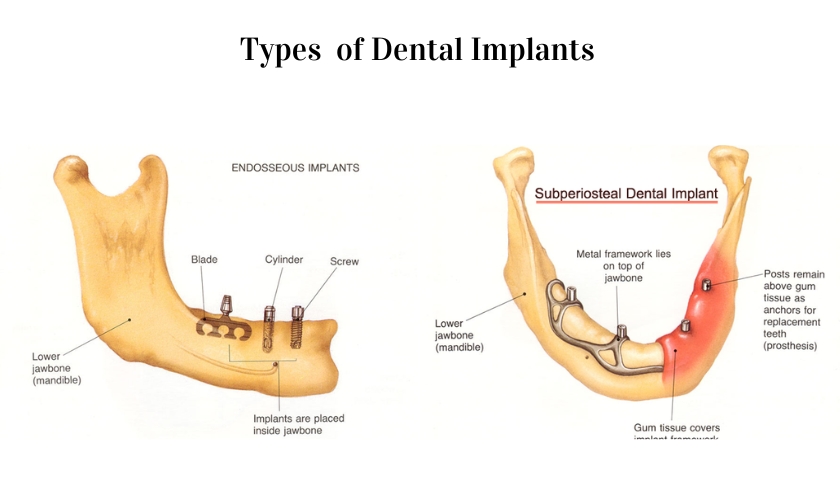
Endosteal Implants
The most common type of dental implant, placed directly into the jawbone
Key Features
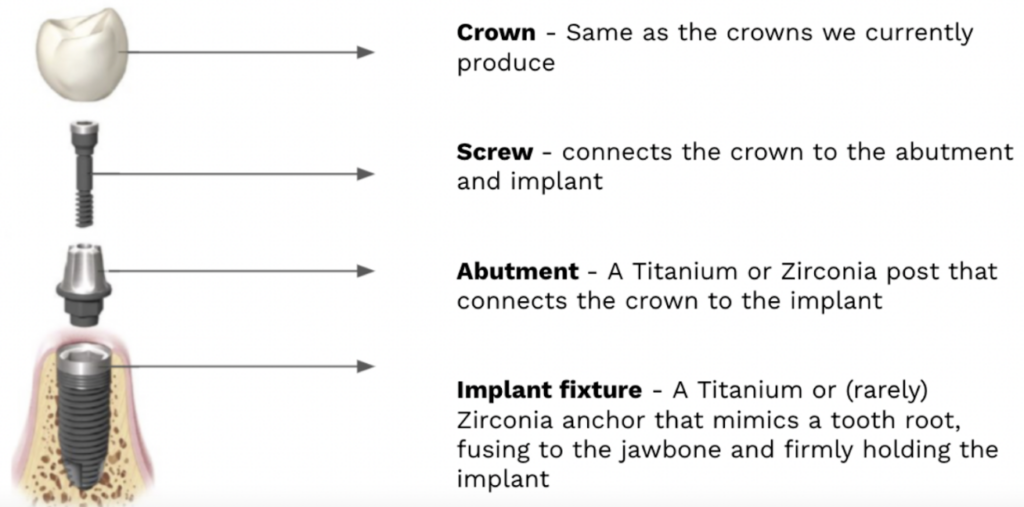
- Titanium screw-like posts
- Placed directly into jawbone
- Most stable and durable option
- Can support single crowns or bridges
Advantages
- Highest success rate
- Most natural feel
- Long-lasting solution
- Preserves jawbone
Considerations
- Requires adequate bone density
- Longer healing time
- May need bone grafting
Best for: Most patients with adequate bone density
Subperiosteal Implants
Placed under the gum but above the jawbone, suitable for patients with insufficient bone height
Key Features
- Metal framework placed under gum
- Sits on top of jawbone
- Custom-made for each patient
- Alternative to bone grafting
Advantages
- No bone grafting required
- Shorter procedure time
- Less invasive surgery
- Good for multiple tooth replacement
Considerations
- Lower success rate than endosteal
- May be less stable
- More complex maintenance
- Higher risk of complications
Best for: Patients with insufficient jawbone height
Zygomatic Implants
Longer implants anchored in the cheekbone, used when upper jaw lacks sufficient bone
Key Features
- Anchored in zygomatic bone (cheekbone)
- Longer than traditional implants
- Specialized surgical technique required
- Immediate loading possible
Advantages
- Avoids need for bone grafting
- Can support full arch restoration
- Immediate function possible
- Good for severe bone loss
Considerations
- Complex surgical procedure
- Requires specialized surgeon
- Higher cost
- Limited to upper jaw
Best for: Severe upper jaw bone loss cases
Browse All Types
Implant Type Comparison
| Factor | Single Tooth | Multiple Teeth | All-on-4 | All-on-6 | Bridges | Full Mouth | Mini | Immediate Load | Endosteal | Subperiosteal | Zygomatic |
|---|---|---|---|---|---|---|---|---|---|---|---|
| Bone Requirement | Adequate bone density | Adequate bone density | Adequate bone quality | Good bone quality | Adequate bone density | Varies by approach | Minimal bone | Excellent bone quality | Adequate bone density | Minimal bone height | Severe bone loss |
| Surgery Complexity | Standard | Standard | Moderate | Moderate | Moderate | Complex | Simple | Standard | Standard | Moderate | Complex |
| Healing Time | 3-6 months | 3-6 months | 3-6 months | 3-6 months | 3-6 months | 3-6 months | 2-4 months | Immediate-3 months | 3-6 months | 2-4 months | 4-6 months |
| Success Rate | 95-98% | 93-97% | 95-98% | 96-99% | 94-97% | 95-98% | 90-95% | 90-95% | 95-98% | 85-90% | 90-95% |
| Cost Level | High per tooth | High | Moderate | Higher | Moderate | Highest | Low | Higher | Standard | Moderate | Higher |
Related Articles
Dental Implant Procedure Guide
Step-by-step guide to the implant process from consultation to final restoration.
Read MoreUnderstanding Implant Costs
Complete breakdown of dental implant costs, insurance coverage, and financing options.
Read MoreRecovery and Aftercare
What to expect during healing and long-term maintenance for optimal implant success.
Read MoreAll-on-4 vs All-on-6 Comparison
Detailed comparison of full arch restoration options to help you choose the right solution.
Read MoreNeed Help Choosing the Right Type?
The best type of dental implant depends on your specific situation, bone density, and oral health needs.
Complete Guide to Dental Implant Types
Complete Guide to Dental Implant Types
Understanding Different Types of Dental Implants
Dental implants come in various types, each designed to address specific clinical situations and patient needs. The choice of implant type depends on factors such as bone quality, quantity, location of missing teeth, and the patient's overall oral health condition.
Endosteal Implants: The Gold Standard
Endosteal implants are the most commonly used type of dental implant. These are placed directly into the jawbone and serve as artificial tooth roots. Made from titanium or ceramic materials, they provide excellent stability and long-term success rates of 95-98%. Endosteal implants are ideal for patients with adequate bone density and are the most predictable option for single, multiple, or full mouth tooth replacement.
Subperiosteal Implants: For Insufficient Bone
Subperiosteal implants are placed under the gum tissue but above the jawbone, making them suitable for patients who lack sufficient bone height for traditional implants. These implants consist of a metal framework that sits on the jawbone, with posts protruding through the gums to support the replacement teeth. While they have slightly lower success rates (85-90%), they offer a viable alternative when bone grafting isn't desired or possible.
Zygomatic Implants: Advanced Solution
Zygomatic implants are specialized implants that anchor into the cheekbone (zygoma) rather than the jawbone. This technique is used when patients have severe bone loss in the upper jaw and traditional implants or bone grafting aren't feasible. These longer implants provide excellent stability and can support full arch restorations with success rates of 90-95%.
How to Choose the Right Implant Type
The selection of implant type should be based on a comprehensive evaluation including 3D imaging, bone density assessment, and consideration of the patient's medical history and treatment goals. Factors influencing the choice include:
- Number of missing teeth
- Bone quality and quantity
- Aesthetic requirements
- Functional needs
- Budget considerations
Single Tooth vs Multiple Teeth Replacement
For single tooth replacement, individual endosteal implants are typically the best choice, preserving adjacent healthy teeth and providing optimal aesthetics and function. For multiple missing teeth, implant-supported bridges or multiple individual implants may be considered based on bone availability and cost factors.
Full Arch Restoration Options
Patients missing all teeth in an arch have several implant options:
- All-on-4 and All-on-6 techniques use strategically placed implants to support a full arch of teeth
- These approaches minimize the number of implants needed while maximizing stability
- Can often be completed in a single day for immediate function
Success Rates by Implant Type
Success rates vary by implant type and patient factors:
- Endosteal implants: 95-98% success rates
- Subperiosteal implants: 85-90% success rates
- Zygomatic implants: 90-95% success rates
These rates can be influenced by patient factors such as smoking, diabetes, and oral hygiene habits.
Material Considerations
Modern dental implants are primarily made from titanium due to its excellent biocompatibility and osseointegration properties. Ceramic implants offer an alternative for patients with metal sensitivities or those desiring the most natural appearance. Both materials provide excellent long-term results when properly placed and maintained.
Treatment Timeline by Implant Type
The treatment timeline varies significantly by implant type:
- Traditional endosteal implants: 3-6 months for osseointegration
- Immediate load implants: Same-day function in suitable cases
- Complex cases requiring bone grafting: 6-12 months
Cost Factors by Implant Type
Implant costs vary based on type, complexity, and location:
- Single endosteal implants: $3,000-$6,000
- Subperiosteal implants: $4,000-$8,000
- Zygomatic implants: $8,000-$15,000 per implant
- Full mouth restorations: $15,000-$50,000
Long-term Maintenance Requirements
All implant types require diligent home care and regular professional maintenance:
- Endosteal implants: Standard care routines
- Subperiosteal implants: More specialized cleaning due to their design
- Zygomatic implants: Regular monitoring due to their complexity
When to Consider Implant Alternatives
While dental implants are highly successful, they may not be suitable for everyone. Traditional bridges or removable dentures may be appropriate when bone quality is insufficient, budget constraints exist, or when patients prefer less invasive options. The decision should be made after comprehensive evaluation and discussion of all treatment alternatives.
Consult with an experienced implant specialist to determine the most suitable implant type for your specific situation.