Dental Implant Recovery Guide
Proper recovery and aftercare are crucial for implant success. Follow these guidelines to ensure optimal healing and long-term implant stability.
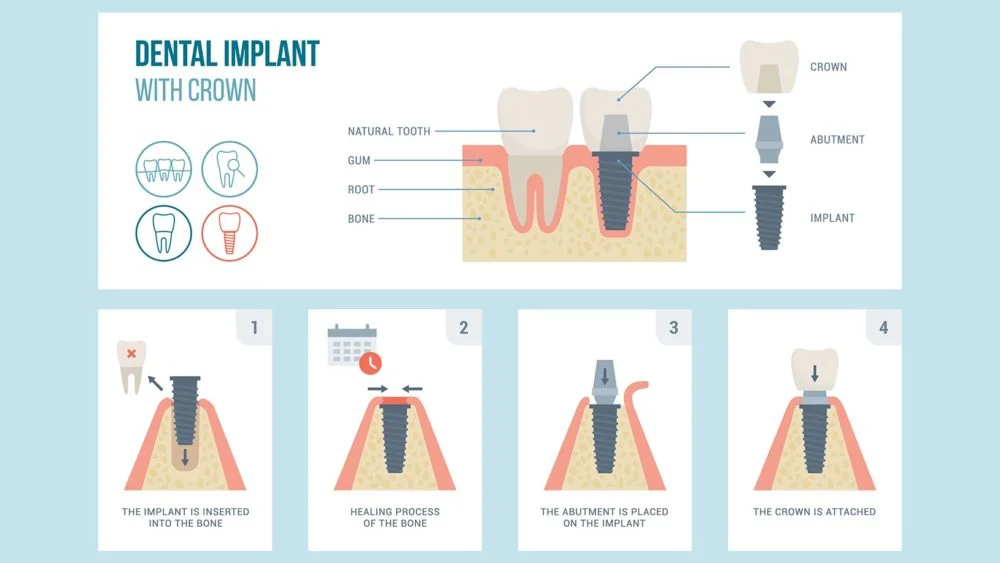
Recovery Timeline
First 24 Hours
What to Expect:
- Some bleeding and swelling is normal
- Take prescribed pain medication as directed
- Apply ice packs for 15-20 minutes at a time
- Eat soft, cold foods only
- Avoid rinsing or spitting forcefully
- Rest and avoid strenuous activities
Recommended Foods:
Days 2-7
What to Expect:
- Swelling peaks around day 2-3, then decreases
- Switch to warm compresses after 48 hours
- Begin gentle salt water rinses
- Gradually introduce soft foods
- Take antibiotics if prescribed
- Avoid smoking and alcohol
Recommended Foods:
Weeks 2-4
What to Expect:
- Most swelling and discomfort subsides
- Stitches may be removed (if non-dissolvable)
- Resume normal oral hygiene carefully
- Gradually return to normal diet
- Follow-up appointment with dentist
- Continue avoiding hard foods
Recommended Foods:
Months 1-6
What to Expect:
- Osseointegration process continues
- Regular check-ups to monitor healing
- Temporary restoration may be placed
- Maintain excellent oral hygiene
- Avoid excessive force on implant area
- Report any concerns immediately
Recommended Foods:
Quick Recovery Tips
• Keep your head elevated while sleeping
• Use ice packs for first 48 hours
• Take medications as prescribed
• Avoid smoking and alcohol
• Eat soft, nutritious foods
• Attend all follow-up appointments
Recovery Do's and Don'ts
DO These Things
- Take medications as prescribed
- Apply ice for first 48 hours
- Eat soft, nutritious foods
- Keep your head elevated while sleeping
- Rinse gently with salt water after 24 hours
- Attend all follow-up appointments
- Maintain good oral hygiene
- Get plenty of rest
- Stay hydrated
- Call your dentist with concerns
DON'T Do These Things
- Don't smoke or use tobacco products
- Don't drink alcohol for at least 48 hours
- Don't rinse vigorously for first 24 hours
- Don't use straws for first week
- Don't eat hard, crunchy, or spicy foods
- Don't engage in strenuous exercise
- Don't touch the surgical site
- Don't skip prescribed medications
- Don't ignore signs of infection
- Don't chew on the implant side initially
When to Contact Your Dentist
Warning Signs That Need Immediate Attention
Contact your dentist immediately if you experience any of these symptoms:
Severe, increasing pain after 3-4 days
Contact your dentist immediately
Excessive bleeding that won't stop
Apply pressure and call dentist
Signs of infection (fever, pus, bad taste)
Seek immediate dental care
Implant feels loose or mobile
Stop chewing on that side, call dentist
Numbness lasting more than 24 hours
Contact dentist for evaluation
Allergic reaction to medications
Stop medication, seek medical attention
Questions About Recovery?
Proper recovery is essential for implant success. If you have concerns or questions, don't hesitate to reach out.
Complete Guide to Dental Implant Recovery
Complete Guide to Dental Implant Recovery
What is Dental Implant Recovery?
Dental implant recovery is the healing process that occurs after implant surgery, during which the implant integrates with the jawbone through a process called osseointegration. This typically takes 3-6 months and involves several stages of healing from initial surgical recovery to final restoration.
Recovery Timeline After Implant Surgery
The recovery timeline varies by individual and procedure complexity. Initial healing occurs in the first 1-2 weeks, with swelling and discomfort subsiding. Bone integration takes 3-6 months, during which the implant becomes firmly anchored. Final restoration placement completes the process, with full function achieved within days of crown placement.
Immediate Post-Surgery Period (Days 1-3)
The first few days after surgery are focused on initial healing. Expect swelling, minor bleeding, and discomfort that can be managed with prescribed medications. Rest, ice application, and following dietary restrictions are crucial. Most patients can return to light activities within 24-48 hours.
Early Healing Phase (Weeks 1-4)
During the first month, soft tissue healing occurs around the surgical site. Stitches dissolve or are removed, swelling subsides, and normal oral hygiene routines can resume. This period requires careful attention to prevent infection and ensure proper healing of the surgical site.
Osseointegration Phase (Months 1-6)
The critical osseointegration phase involves the implant fusing with the jawbone. This microscopic process creates a strong, permanent bond. During this time, patients wear temporary restorations and maintain regular dental visits for monitoring and adjustments.
Final Restoration Phase
Once osseointegration is complete, the final restoration is placed. This involves attaching abutments and placing custom crowns, bridges, or dentures. Patients typically experience immediate improvement in function and aesthetics, with full adaptation occurring over the following weeks.
Managing Discomfort and Pain
Post-surgical discomfort is normal and can be managed with prescribed pain medications. Over-the-counter anti-inflammatory medications help reduce swelling. Ice packs applied to the outside of the face for 20 minutes several times a day during the first 48 hours help minimize swelling and discomfort.
Dietary Guidelines During Recovery
A soft diet is recommended during the initial healing period to avoid stressing the surgical site. Focus on nutritious, easy-to-chew foods like yogurt, mashed potatoes, scrambled eggs, and soups. Avoid hard, crunchy, or sticky foods that could irritate the surgical area or dislodge blood clots.
Oral Hygiene During Recovery
Proper oral hygiene is crucial for successful healing. Gentle brushing around the surgical area, antimicrobial mouthwash use, and avoiding the surgical site during initial healing are important. Your dentist will provide specific instructions for maintaining oral hygiene without disturbing the healing process.
Common Recovery Concerns
Bruising, swelling, and minor bleeding are normal after implant surgery. These typically resolve within 1-2 weeks. Some patients experience temporary numbness or altered sensation, which usually resolves as healing progresses. Contact your dentist if you experience severe pain, excessive swelling, or signs of infection.
Long-term Recovery and Maintenance
Once fully healed, implants require the same care as natural teeth. Regular dental check-ups, professional cleanings, and excellent home care ensure long-term success. Monitoring for any changes and addressing issues promptly helps maintain implant health for decades.
When to Contact Your Dentist
Contact your dental specialist if you experience persistent pain, swelling, fever, or unusual symptoms. Early intervention for any concerns ensures the best possible outcome. Regular follow-up appointments allow your dentist to monitor healing and address any issues before they become significant problems.
Recovery Success Factors
Successful recovery depends on several factors including surgical technique, patient health, compliance with post-operative instructions, and proper oral hygiene. Following your dentist's recommendations, maintaining good nutrition, and avoiding smoking significantly improve healing outcomes.
Understanding the recovery process helps ensure successful implant treatment. Follow your dentist's instructions carefully for optimal healing and long-term success.