Alternatives to Dental Implants
While dental implants are often the gold standard, several alternatives exist for tooth replacement. Each option has unique benefits, costs, and considerations.
Treatment Alternatives
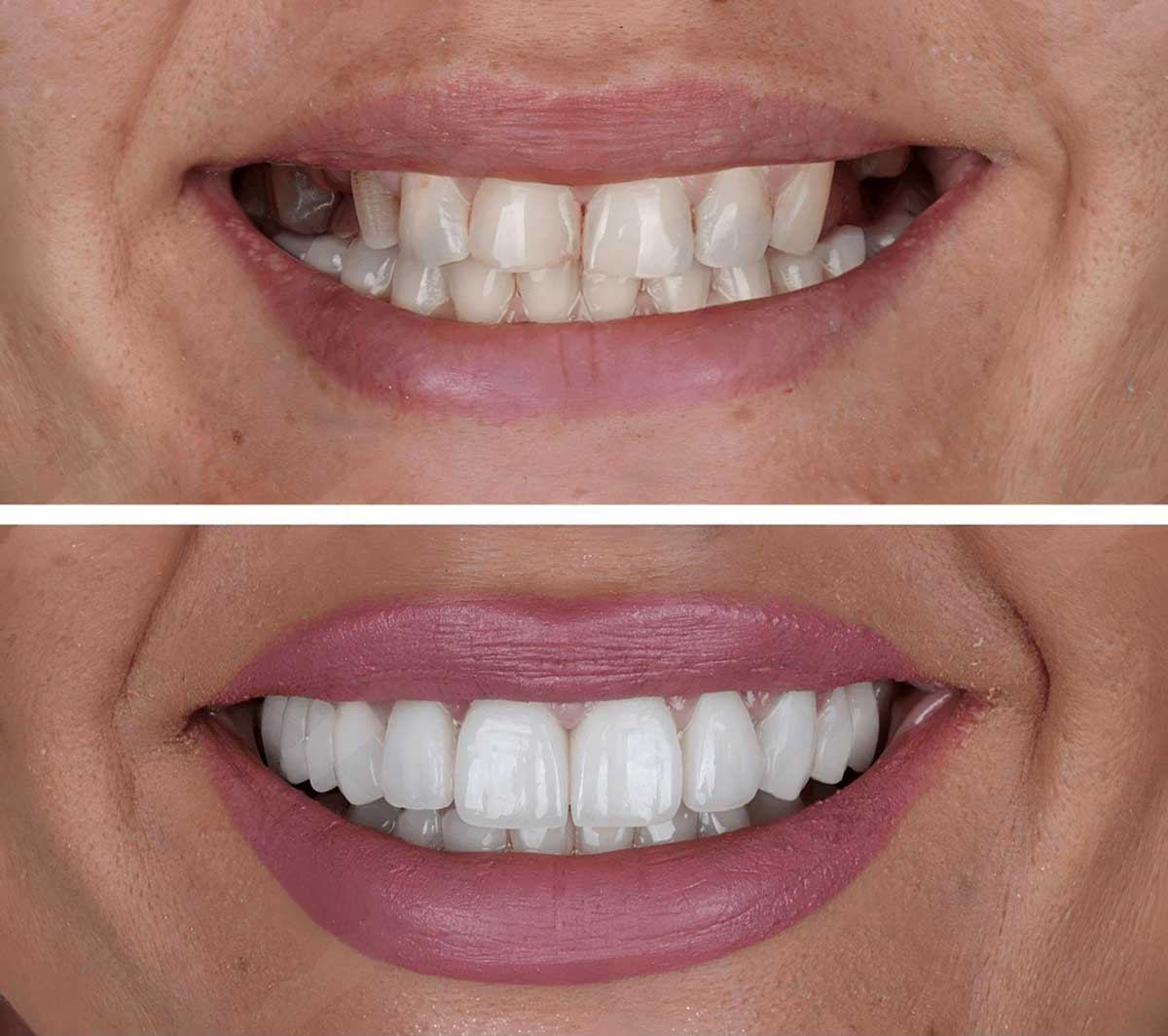
Removable Partial Dentures
Removable appliances that replace one or more missing teeth
Advantages:
- Most affordable option
- Non-invasive procedure
- Can be adjusted or repaired
- Suitable for multiple missing teeth
- No surgery required
Disadvantages:
- Less stable than implants
- May affect speech initially
- Requires daily removal for cleaning
- Can cause bone loss over time
- May need frequent adjustments
Best For:
Patients with multiple missing teeth, limited budget, or those who cannot have surgery
Maintenance:
Daily cleaning, regular adjustments, replacement every 5-8 years
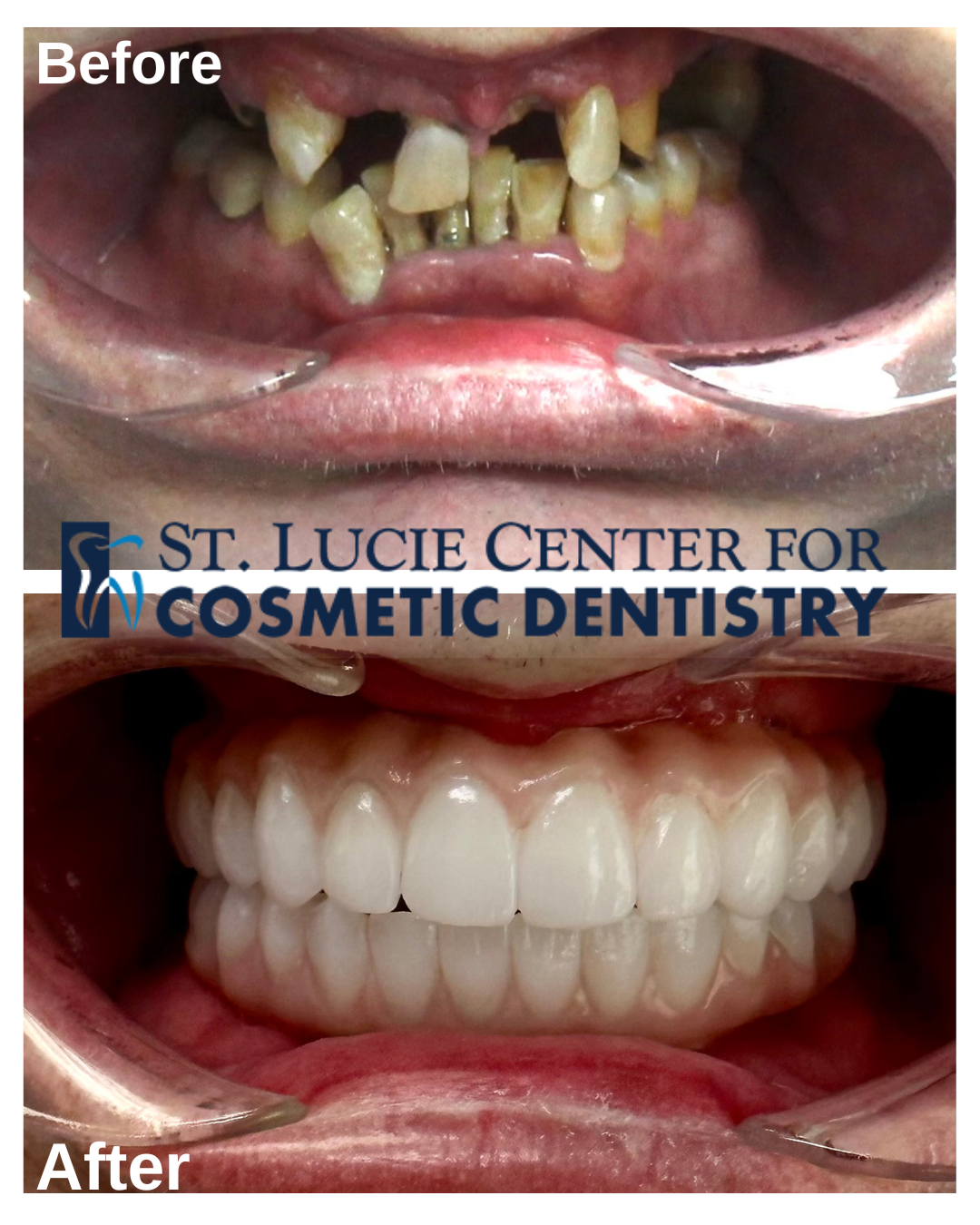
Complete Dentures
Full set of artificial teeth for patients missing all teeth in upper or lower jaw
Advantages:
- Restores full smile and function
- More affordable than multiple implants
- Can be made quickly
- Non-surgical option
- Can improve facial support
Disadvantages:
- May slip or move while eating
- Reduced chewing efficiency
- Requires adhesives
- Accelerates bone loss
- May affect taste and speech
Best For:
Patients missing all teeth who want an affordable, non-surgical solution
Maintenance:
Daily cleaning, regular relines, replacement every 5-10 years
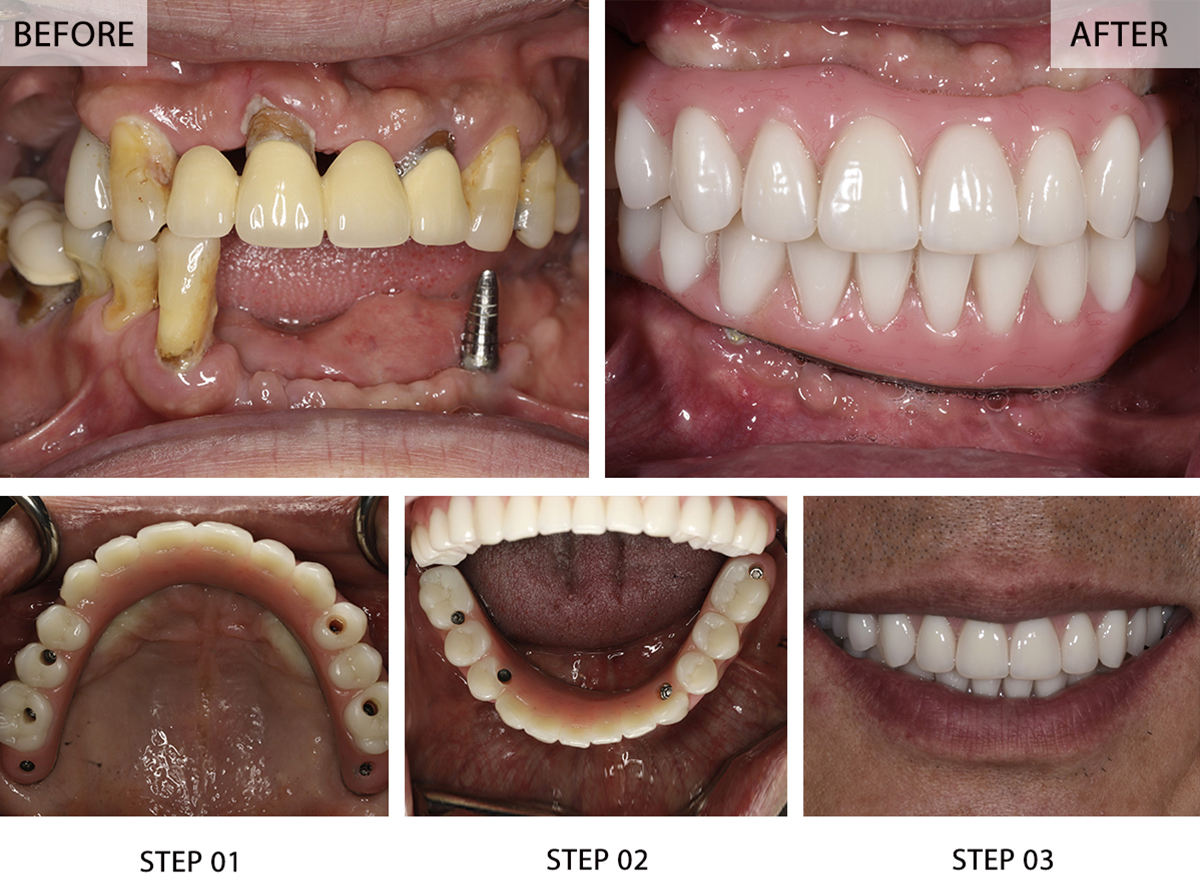
Fixed Dental Bridge
Permanent restoration that bridges the gap of missing teeth using adjacent teeth as anchors
Advantages:
- Fixed in place (non-removable)
- Natural appearance and function
- Faster treatment than implants
- No surgery required
- Proven long-term solution
Disadvantages:
- Requires grinding down healthy teeth
- Risk of damage to anchor teeth
- Difficult to clean under bridge
- May need root canals on anchor teeth
- Cannot prevent bone loss
Best For:
Patients with 1-3 missing teeth and healthy adjacent teeth
Maintenance:
Special flossing techniques, regular dental visits, eventual replacement
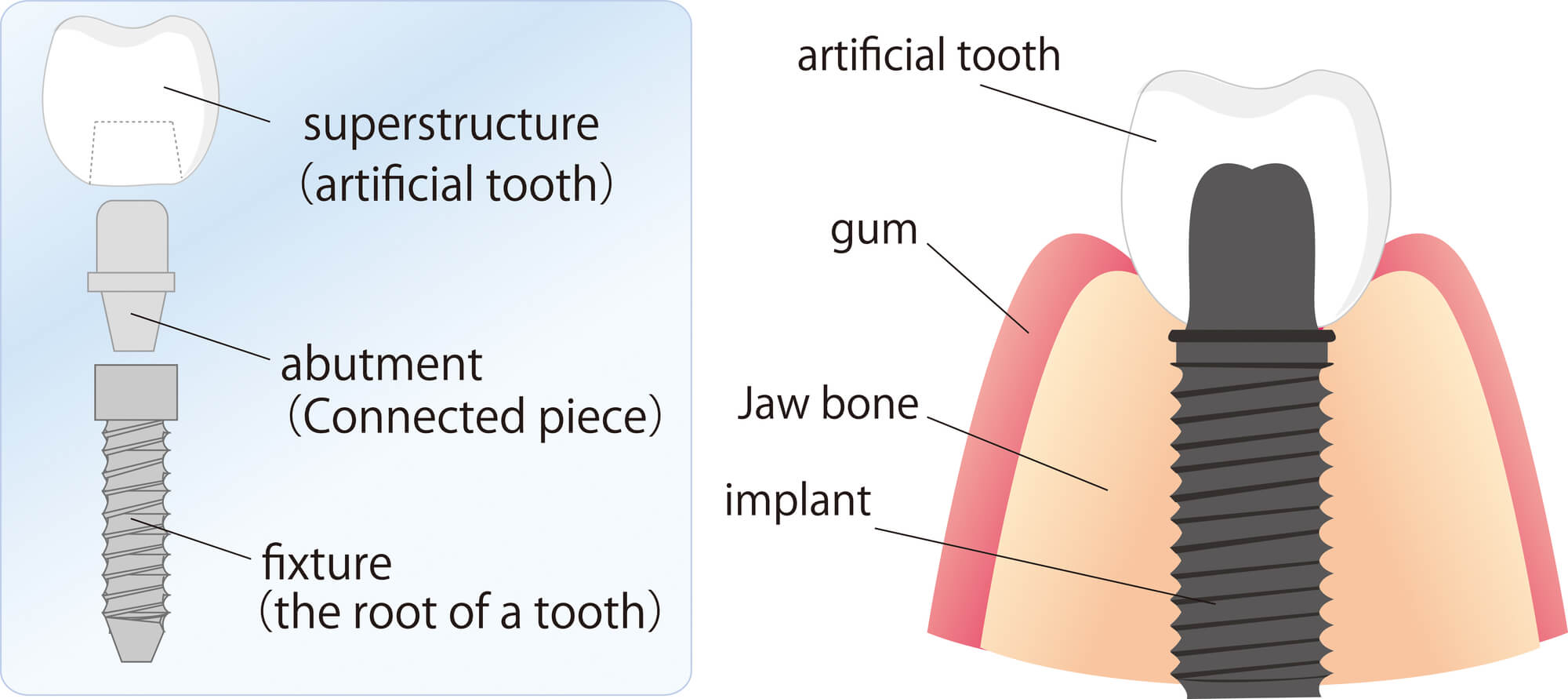
Resin-Bonded Bridge
Conservative bridge option that bonds to the back of adjacent teeth with minimal preparation
Advantages:
- Minimal tooth preparation required
- Conservative approach
- Reversible procedure
- Good aesthetics
- Less expensive than traditional bridge
Disadvantages:
- Not as strong as traditional bridge
- May debond and need recementation
- Limited to front teeth typically
- Shorter lifespan
- Not suitable for heavy chewing areas
Best For:
Young patients with single missing front tooth and healthy adjacent teeth
Maintenance:
Regular check-ups, possible rebonding, eventual replacement
Implant-Supported Dentures
Dentures secured by dental implants for improved stability and retention
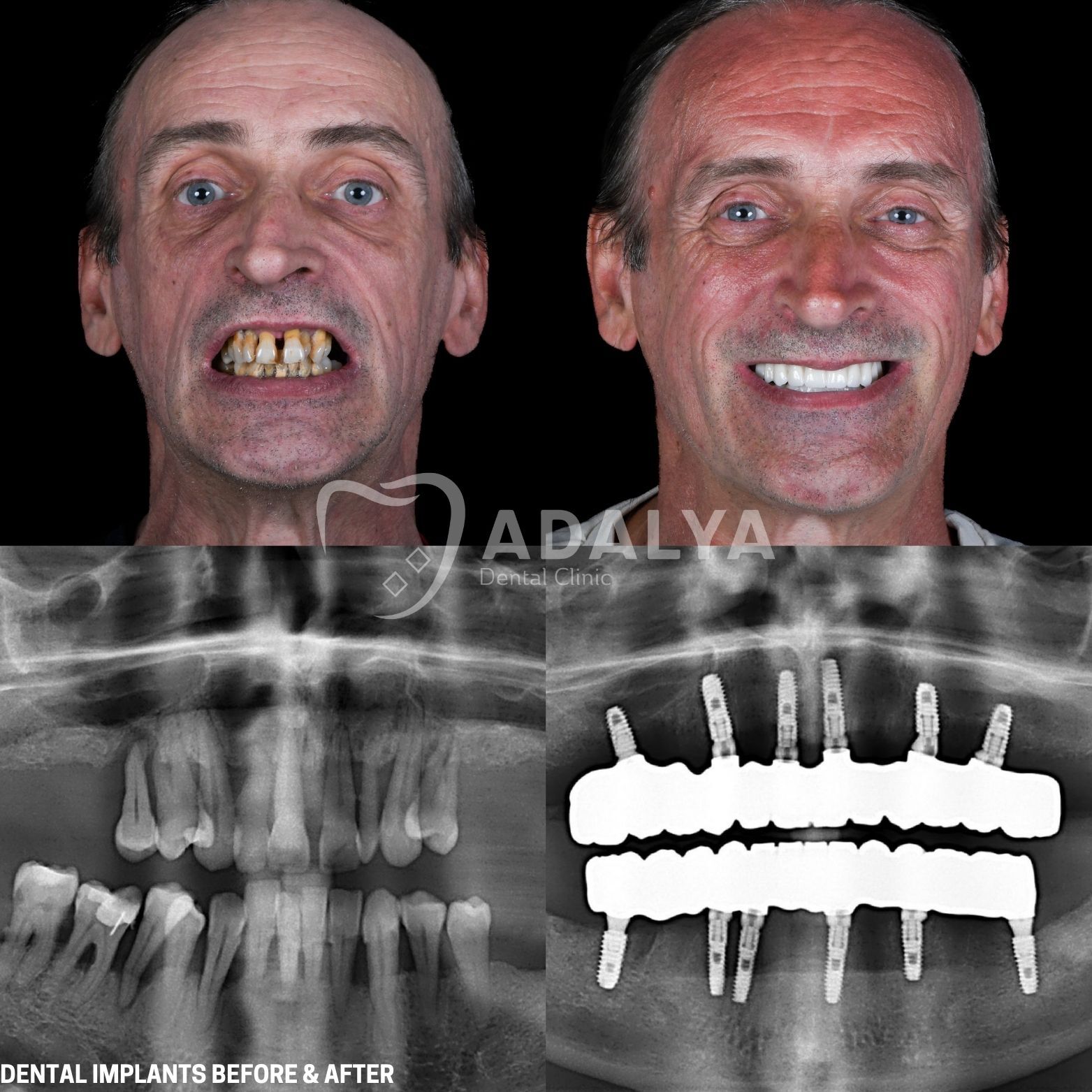
Advantages:
- Much more stable than regular dentures
- Better chewing function
- Prevents bone loss
- Improved confidence
- Long-lasting solution
Disadvantages:
- Requires surgery
- Higher initial cost
- Longer treatment time
- May need implant maintenance
- Not suitable for all patients
Best For:
Patients missing all teeth who want stability but cannot afford individual implants
Maintenance:
Regular implant care, denture maintenance, professional cleanings
No Treatment
Choosing not to replace missing teeth
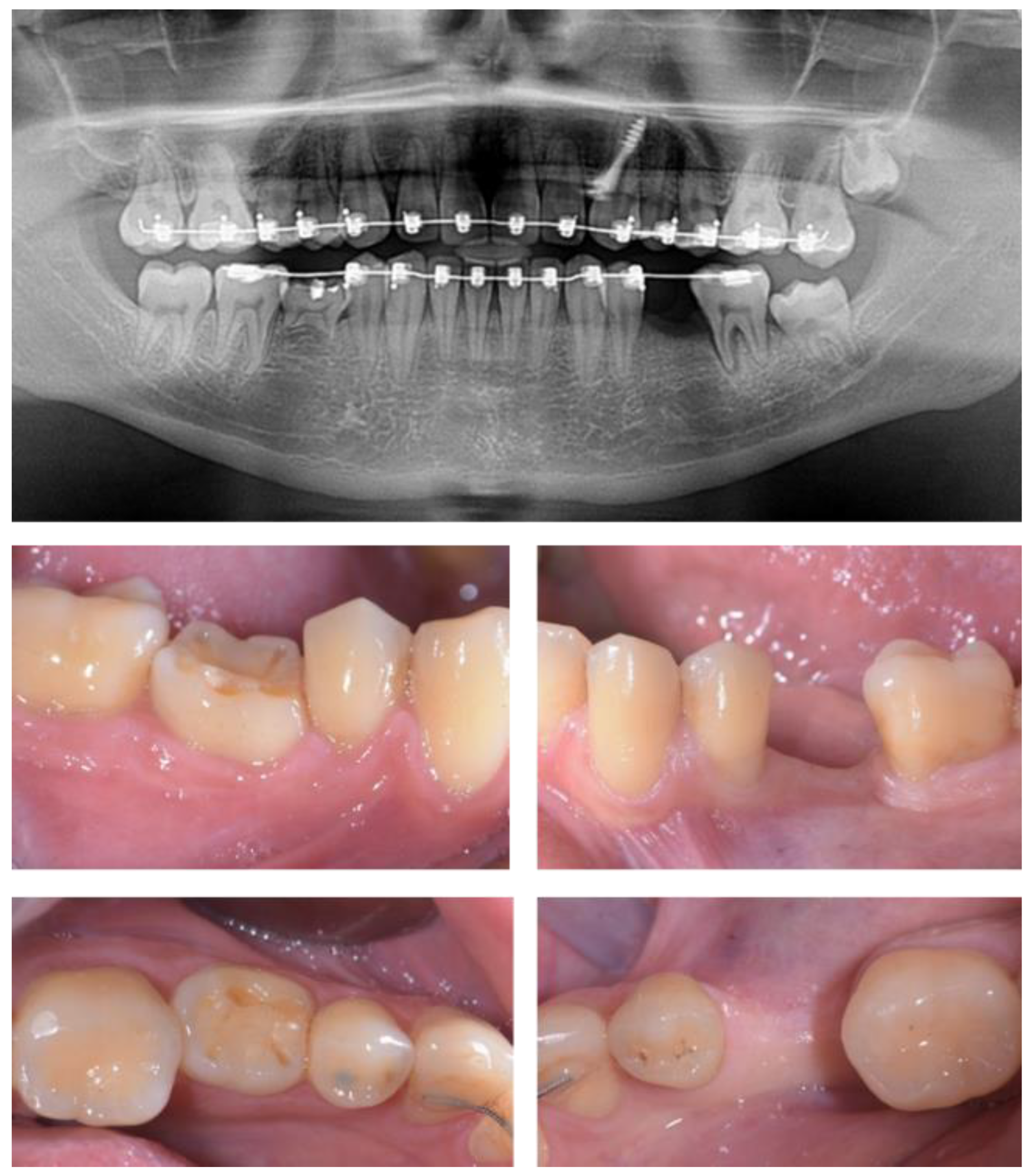
Advantages:
- No cost involved
- No treatment time required
- No surgical risks
- No maintenance needed
Disadvantages:
- Continued bone loss
- Shifting of remaining teeth
- Reduced chewing function
- Aesthetic concerns
- Potential jaw problems
Best For:
Patients with single back tooth loss who have adequate function
Maintenance:
Monitor remaining teeth for shifting, consider future treatment
Quick Comparison
Side-by-Side Comparison
| Factor | Implants | Dentures | Bridge | No Treatment |
|---|---|---|---|---|
| Initial Cost | $4,500 | $1,500 | $3,500 | $0 |
| Lifespan | 25+ years | 5-8 years | 10-15 years | N/A |
| Bone Preservation | Yes | No | No | No |
| Adjacent Teeth | Unaffected | Unaffected | Modified | May shift |
| Chewing Efficiency | 95% | 60% | 85% | Reduced |
| Maintenance | Low | High | Moderate | None |
Which Option Is Right for You?
Choose Implants If:
- • You want the most natural solution
- • You have adequate bone density
- • You're willing to invest long-term
- • You want to preserve jawbone
- • You have good oral hygiene
- • You don't want to affect adjacent teeth
Choose Dentures If:
- • You're missing multiple teeth
- • You want an affordable option
- • You cannot have surgery
- • You need quick treatment
- • You have significant bone loss
- • You're comfortable with removable appliances
Choose Bridge If:
- • You're missing 1-3 adjacent teeth
- • Adjacent teeth need crowns anyway
- • You want a fixed solution
- • You cannot have implant surgery
- • You want faster treatment than implants
- • You have good adjacent tooth structure
Still Have Questions?
Choosing the right tooth replacement option is an important decision. Get answers to common questions or contact us for personalized guidance.
Complete Guide to Dental Implant Alternatives
Complete Guide to Dental Implant Alternatives
Understanding Dental Implant Alternatives
When dental implants aren't the best option for a patient, several effective alternatives exist. These alternatives can provide excellent tooth replacement with different advantages and considerations. The choice depends on factors like bone quality, budget, timeline, and patient preferences.
Traditional Fixed Bridges
Traditional dental bridges have been used for decades to replace missing teeth. A bridge consists of artificial teeth (pontics) supported by crowns on adjacent natural teeth. The adjacent teeth are prepared by removing some enamel to accommodate the supporting crowns. This creates a fixed restoration that looks and functions like natural teeth.
Removable Partial Dentures
Removable partial dentures are prosthetic devices that replace multiple missing teeth and can be removed for cleaning. They consist of artificial teeth attached to a metal or acrylic framework that clasps onto remaining natural teeth. Modern flexible dentures offer improved comfort and aesthetics compared to traditional designs.
Complete Dentures
Complete dentures replace all teeth in an arch and are held in place by suction, adhesives, or dental implants. Modern dentures use advanced materials and techniques for better fit, comfort, and appearance. Implant-supported dentures provide enhanced stability and function.
Resin-Bonded Bridges
Also known as Maryland bridges, these conservative restorations use metal or ceramic wings bonded to the back of adjacent teeth. They require minimal tooth preparation and are ideal for replacing single front teeth. This approach preserves more natural tooth structure than traditional bridges.
When to Choose Alternatives Over Implants
Implants may not be suitable when there is insufficient bone for placement, budget constraints exist, or patients prefer less invasive options. Medical conditions like uncontrolled diabetes, certain medications, or poor healing capacity may also make alternatives preferable. The decision should consider long-term outcomes, maintenance requirements, and patient preferences.
Cost Comparison with Implants
Traditional bridges typically cost less initially than implants but may require replacement every 10-15 years. Dentures are the most affordable option initially but may need frequent adjustments. While implants have higher upfront costs, their longevity and reduced maintenance needs often make them more cost-effective long-term.
Longevity and Maintenance
Dental bridges typically last 10-15 years with proper care, while implants can last 25+ years. Dentures may need relining or replacement every 5-7 years. All alternatives require regular dental check-ups and good oral hygiene. The choice between implants and alternatives should consider both short-term and long-term maintenance requirements.
Functional Differences
Implants provide the most natural chewing function and don't affect adjacent teeth. Bridges may alter natural teeth and can feel slightly different when chewing. Dentures provide adequate function but may slip during eating or speaking. The functional outcome depends on the number of missing teeth, location, and patient adaptation.
Aesthetic Considerations
Modern alternatives can provide excellent aesthetics. Implants offer the most natural appearance, especially for single tooth replacement. Bridges can look very natural but may show metal clasps in some designs. Dentures have improved significantly in appearance but may not match the natural look of implants.
Insurance Coverage
Dental insurance often provides better coverage for traditional alternatives than implants. Bridges and dentures may have 50-80% coverage, while implants often have limited coverage. Medical insurance may cover alternatives if there's medical necessity. Understanding your specific insurance benefits is crucial for treatment planning.
Patient Satisfaction Factors
Patient satisfaction varies by treatment type and individual expectations. Implants generally provide highest satisfaction due to their natural feel and permanence. Bridges offer good satisfaction for many patients. Dentures may require an adaptation period, and satisfaction depends on proper fit and maintenance.
Making the Right Choice
The decision between implants and alternatives requires careful consideration of multiple factors. Consult with an experienced dental specialist for a comprehensive evaluation. Discuss your goals, budget, timeline, and lifestyle. Consider both short-term and long-term implications. With proper planning, all options can provide excellent results for tooth replacement.
Not sure which option is right for you? Consult with a qualified dental specialist to discuss all available tooth replacement options.