Dental Implant Infection: Prevention & Treatment
Early detection and treatment of dental implant infections is crucial for preserving your implants and oral health. Learn the warning signs, treatment options, and prevention strategies.
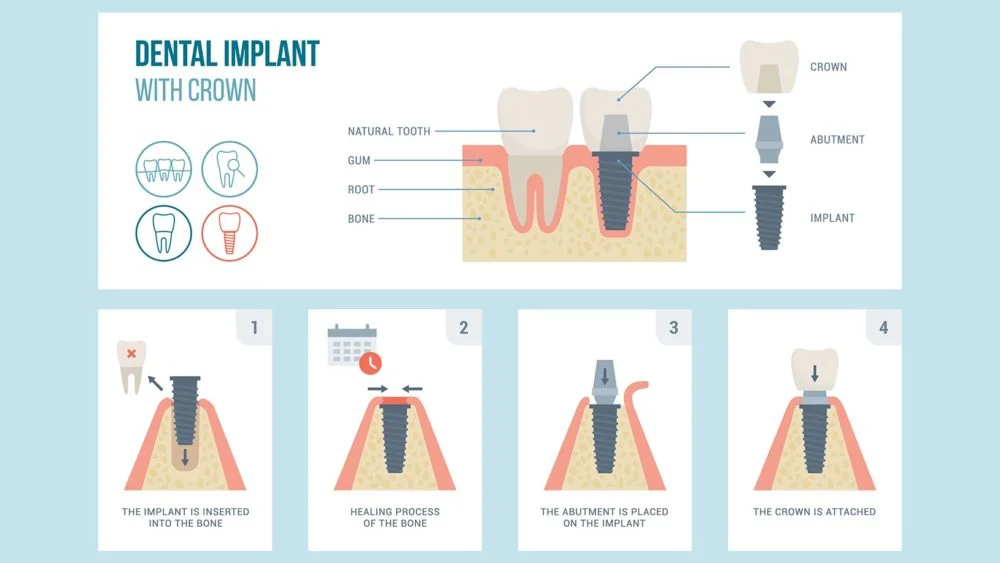
Types of Implant Infections
Peri-implant Mucositis
Inflammation of soft tissues around implant without bone loss
Common Symptoms:
- Redness
- Swelling
- Bleeding on brushing
- Tenderness
Treatment:
Professional cleaning and improved oral hygiene
2-4 weeks
Prevention:
Regular dental visits and proper brushing
Peri-implantitis
Inflammatory process affecting both soft and hard tissues around implant
Common Symptoms:
- Deep pockets
- Bone loss
- Pus discharge
- Implant mobility
- Bad taste
Treatment:
Deep cleaning, antibiotics, possible surgery
3-6 months
Prevention:
Excellent oral hygiene and regular maintenance
Retrograde Peri-implantitis
Infection starting from implant apex and spreading upward
Common Symptoms:
- Severe pain
- Abscess formation
- Rapid bone loss
- Systemic symptoms
Treatment:
Implant removal, antibiotics, new implant placement
6-12 months
Prevention:
Proper implant positioning and infection control
Recognize the Warning Signs
Redness and Swelling
Visible inflammation of gums around implant
Recommended Action:
Contact dentist within 24-48 hours
Bleeding on Brushing
Blood when brushing or flossing around implant
Recommended Action:
Improve oral hygiene, schedule check-up
Pain or Discomfort
Persistent pain around implant area
Recommended Action:
Seek immediate dental evaluation
Bad Taste or Odor
Unpleasant taste or smell from implant site
Recommended Action:
Professional cleaning recommended
Pus Discharge
Yellow or white discharge from implant area
Recommended Action:
Emergency dental visit required
Loose Implant
Movement or instability of the implant
Recommended Action:
Immediate professional intervention
Fever
Systemic fever indicating possible infection spread
Recommended Action:
Seek immediate medical attention
Treatment Options
Non-Surgical Treatment
Mechanical debridement and antimicrobial therapy
Procedures:
- Deep cleaning
- Laser therapy
- Antimicrobial rinses
- Local antibiotics
Timeline:
4-8 weeks
Success Rate:
Cost Range:
$300-$800
Best for: Early stage infections
Surgical Treatment
Open flap debridement with bone regeneration
Procedures:
- Flap surgery
- Bone grafting
- Membrane placement
- Guided tissue regeneration
Timeline:
3-6 months
Success Rate:
Cost Range:
$1,500-$3,000
Best for: Advanced infections with bone loss
Implant Removal
Complete implant removal and site preparation
Procedures:
- Implant extraction
- Site decontamination
- Bone regeneration
- New implant placement
Timeline:
6-12 months
Success Rate:
Cost Range:
$2,500-$5,000
Best for: Severe infections or failed treatments
Laser Therapy
Advanced laser treatment for bacterial elimination
Procedures:
- Laser decontamination
- Photoactivated disinfection
- Soft tissue management
Timeline:
2-4 weeks
Success Rate:
Cost Range:
$500-$1,200
Best for: Early to moderate infections
Risk Factors for Infection
Poor Oral Hygiene
Why it increases risk:
Inadequate cleaning allows bacterial buildup
Prevention strategy:
Establish rigorous daily cleaning routine
Smoking
Why it increases risk:
Reduces blood flow and healing capacity
Prevention strategy:
Quit smoking before and after implant surgery
Diabetes
Why it increases risk:
Impaired immune response and healing
Prevention strategy:
Maintain excellent blood sugar control
Periodontal Disease
Why it increases risk:
Existing gum disease increases infection risk
Prevention strategy:
Complete periodontal treatment before implants
Medications
Why it increases risk:
Immunosuppressants and certain medications
Prevention strategy:
Inform dentist of all medications
Prevention Timeline
1Pre-Surgery
2Immediately After Surgery
3Long-term Maintenance
Emergency Response
Seek Immediate Care If:
- Severe pain that doesn't respond to pain medication
- High fever (above 101°F/38.3°C)
- Significant swelling of face or neck
- Difficulty swallowing or breathing
- Implant feels loose or mobile
What to Expect at Emergency Visit:
- Clinical examination and assessment
- X-rays or 3D imaging if needed
- Antibiotic prescription
- Pain management
- Treatment plan development
Have Infection Signs?
Early treatment of implant infections can save your dental implants and prevent serious complications. Don't wait if you notice warning signs.